

Blog
Jet Skiing Safety Tips for Clearwater Beach Waters
Jet Skiing is a thrilling water activity popular with both thrill-seekers and water enthusiasts. Operating a personal watercraft (PWC) like a jet ski provides a unique combination of speed and flexibility on the water. However, with the thrill comes the responsibility to maintain your own and others’ safety in the water, as well as protect the maritime environment. Here are some basic safety precautions for a safe and enjoyable jet skiing session.
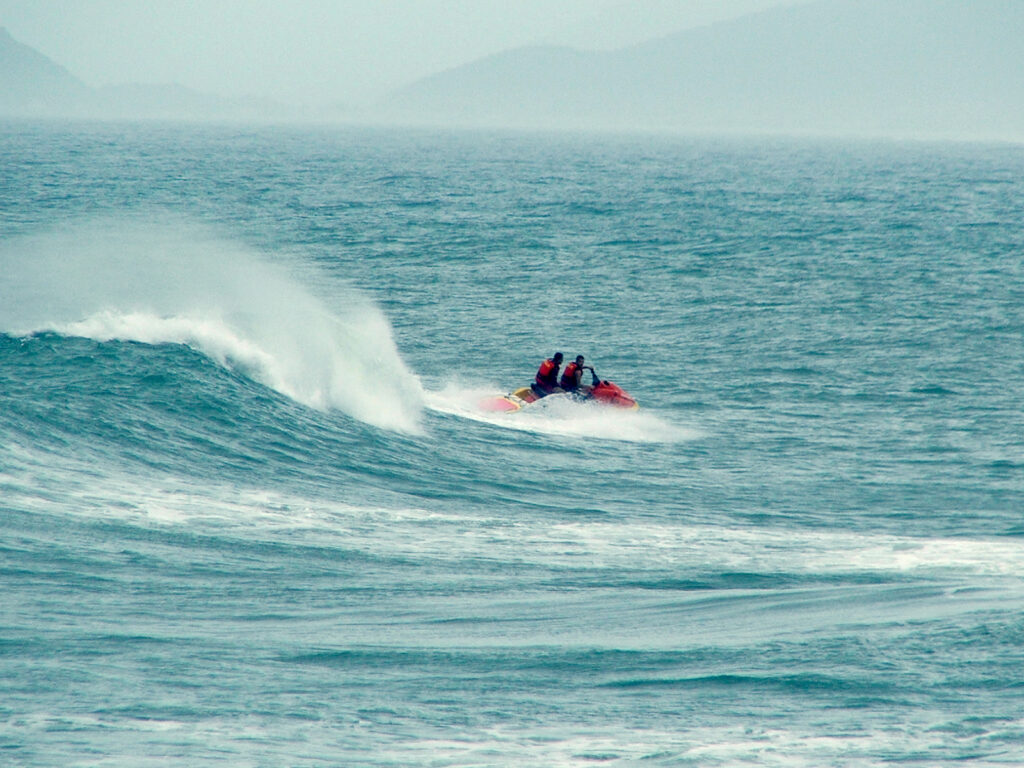
The Basics of Jet Ski Safety
Before you enter the water, make sure you understand your jet ski. Take the time to become acquainted with the controls, features, and operations. Reading the owner’s manual is an excellent starting point, but you should also consider taking a safety course. These courses will teach you how to ride a jet ski safely and responsibly.
Pre-Ride Preparations
Checking Weather Conditions
Always check the weather forecast before going out. Jet skiing is best enjoyed on calm, clear days. Avoid riding in foggy, rainy, or windy conditions since they might be risky.
Inspecting Your Jet Ski
Before every ride, thoroughly examine your jet ski. Check for signs of damage, confirm that the throttle and steering operate properly, and make sure you have adequate fuel.
Essential Safety Gear
Wearing the proper safety gear can make a significant difference in an emergency. This includes life vests, helmets, and protective apparel. Even if you are an experienced rider, you should never compromise on safety gear.
Personal Safety Gear
Life Jackets
A life jacket is an absolute necessity. Ensure that it fits properly and is Coast Guard-approved. It must always be worn when on the water.
Protective Clothing
Wear garments that will shield your skin from the sun and any scratches or wounds. Wetsuits, long-sleeved shirts, and pants are excellent choices.
Safety Precautions for Jet Skiing
1. Wear a Life Jacket: Always wear a Coast Guard-approved life jacket, whether you can swim or not. A life jacket can save your life in the event of an abrupt fall into the water.
2. Obtain a PWC License: Ensure that you have the necessary license, if applicable in your region. A PWC license certifies that you have the knowledge and training to operate a jet ski safely.
3. Know Your Jet Ski: Familiarize yourself with the jet ski before heading out. Understand how to operate it, including starting and stopping, and where the safety features are located.
4. Keep a Safe Speed: Always maintain a safe speed. Excessive speed is the primary cause of jet ski accidents and injuries. Adjust your speed according to the water conditions and your skill level.
5. Avoid Alcohol and Drugs: Never operate a jet ski under the influence of alcohol or drugs. Impaired judgment and delayed reaction times dramatically increase the likelihood of an accident.
What Not to Do on a Jet Ski
1. Do not Speed in Crowded Areas. Avoid speeding in congested places with swimmers or other boats. Always slow down and be alert.
2. Do not Ignore Safety Measures. Safety equipment is mandatory. Ignoring basic safety precautions, such as wearing a life jacket or operating without a kill switch cord attached to you, can be fatal.
3. Do not Ride at Night. Riding a jet ski at night is highly risky and usually prohibited. Visibility is decreased, increasing the risk of accidents.
4. Do not Jump Wakes Close to Other Vessels. Jumping wakes near large boats or in busy areas is dangerous and can result in crashes. Always maintain a safe distance from other vessels.
5. Do not Enter Restricted Areas. Always respect and follow local regulations by avoiding restricted zones. These areas are often designated to protect wildlife, marine ecosystems, or for safety concerns related to strong currents or commercial traffic.

Tips for Beginners
Learning the controls: Spend time learning how to operate your jet ski in a safe, open area. Practice fundamental maneuvers before venturing into busier waters.
Practicing in Safe Areas: Begin your jet skiing adventure in safe, authorized areas where you can practice without the pressure of other boats.
Building Confidence: Gradually increases your confidence by going slow and steady. As your confidence grows, you can venture into more challenging waters.
Advanced Safety Tips
Group Riding: When riding in a group, use hand signals and keep in sight of one another. Group riding can enhance safety and enjoyment.
Night Riding: Night riding requires extra precautions. Ensure your jet ski has adequate lighting, and always wear reflective clothing.
Long-Distance Trips: For long-distance journeys, carefully plan your route and notify someone of your plans. Carry extra fuel and supplies.
Jet Ski Maintenance for Safety
Routine Inspections: Perform routine checks to ensure your jet ski is in good operating condition. Regularly check the engine, fuel system, and controls.
Cleaning and Storage: After each ride, clean your jet ski to avoid salt and debris buildup. Store it in a dry, covered spot to protect it from the elements.
Professional Servicing: Have your jet ski serviced by a professional at least once a year. Regular maintenance can help prevent many common problems.
How Safe Is Jet Skiing?
Jet skiing can be as safe as any other water activity if you take the necessary precautions and follow safety guidelines. While there are inherent risks due to high speeds and open water, adhering to safety measures significantly reduces the likelihood of accidents and injuries. Education, planning, and appropriate behavior are essential for ensuring your jet skiing experience is both enjoyable and safe.
Conclusion
Jet skiing provides an unparalleled level of thrill on the water, but it must be approached with caution and responsibility. Wearing a life jacket, obtaining the proper permissions, knowing your jet ski, and following safety guidelines can help you enjoy the excitement of jet skiing while minimizing risks. Remember that water safety is about more than just protecting yourself; it is also about ensuring the well-being of everyone who uses the waterways. Let us make jet skiing a safe and enjoyable experience for all water enthusiasts.
Share This Post: